
When I first thought about backpacking through Southeast Asia, my bank account said, “No.” The good news? You can turn that “No” into a “Yes” without emptying your savings. The three main players in this game are: 1) the budget you set, 2) the timing of your trip, and 3) the tools you use to stretch every dollar.
Set a Realistic Target: How Much to Save?
Start by estimating the total cost. A 10‑day trip to Vietnam averages $1,200 for budget travelers, including hostels, food, and local transport. Add a 10% buffer for emergencies—$120. Your goal: $1,320. Break that down to a monthly savings target. If you have 12 months to plan, set aside $110 a month. If you’re on a tighter schedule, push to $165 a month and cut back elsewhere.
Cut the Big Bills First: Housing and Food
Rent is usually the biggest line item. Move to a shared apartment, swap a lease for a month‑long sublet, or use a co‑working space that offers discounted stays for travelers. For meals, aim for street food and local markets. A typical lunch at a roadside stall costs $2–$3. If you eat 15 meals a month this saves you roughly $50–$70 compared to dining in restaurants.
Timing Is Everything: When to Book Flights
Airfares fluctuate like a stock market. Historically, the best window to book international flights is 6–8 weeks before departure. Use fare alerts from sites like Google Flights or Skyscanner. When a price drops, book immediately. A $700 round‑trip from London to Bangkok can fall to $450 if you snag the right deal, saving $250.
Earn While You Plan: Side Gigs and Passive Income
Consider freelance writing, graphic design, or tutoring online. A part‑time gig that pays $15 an hour, worked 10 hours a week, adds $600 a month. Even a modest side hustle can cover your travel fund faster than cutting costs alone.
Travel Rewards and Credit Cards: The Hidden Savings Vault
Some credit cards offer travel rewards or cash back on flights and hotels. If you have a balance to pay, pay it off each month to avoid interest, then use a card that gives 2% back on travel purchases. Over a year, that could net you $200 in cash back, which you can redirect to your travel pot.
Mid‑Article Aside: Gaming as a Quick Cash Boost
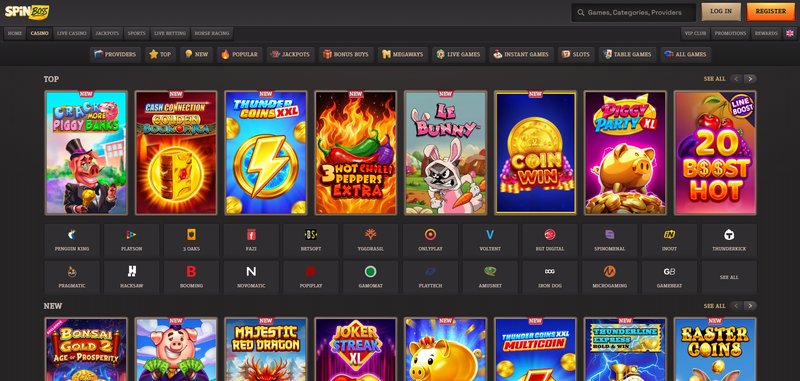
When the savings pace feels slow, a quick round of online gaming can add a few extra dollars. If you enjoy casino-style entertainment, spinbossplay.co.uk offers a variety of games that can be played for free or with low stakes, giving you a chance to win small prizes that boost your budget.
Stay Flexible: The Power of Off‑Season Travel
Traveling during shoulder seasons—just before or after peak tourist months—can cut accommodation and flight costs by 20–30%. For example, visiting Spain in late October versus July can save you $200 on a 7‑day stay. Flexibility in dates is a low‑effort, high‑return strategy.
Track Every Penny: The Habit That Pays Off
Use a simple spreadsheet or a budgeting app to log every expense. Review it weekly. If you notice a recurring $15 coffee habit, cut it to $5 and redirect the $10 to your fund. Small habits add up fast.
Which to Pick? The Balanced Approach
For most travelers, the best strategy blends a modest monthly savings plan with occasional side gigs and smart timing for flights and accommodations. Start by setting a realistic monthly target, trim large expenses, and keep an eye on flight windows. If you need a quick boost, a little gaming can help, but it shouldn’t replace disciplined saving. With these tools, that dream trip can become a reality without draining your life savings.
Frequently Asked Questions
What is the average cost of a 10‑day trip to Vietnam for a budget traveler?
Typically around $1,200, covering hostels, food, and local transport.
How can I determine a realistic savings target before traveling?
Estimate total trip costs, subtract current savings, and set a monthly goal to reach the target in time.
When is the best time to book flights and accommodations for Southeast Asia?
Mid‑week or during off‑peak seasons often offers lower prices, but booking 2–3 months in advance balances cost and availability.
What tools help stretch every dollar while traveling?
Use travel budgeting apps, cashback credit cards, and local currency exchanges to maximize savings.